

Imagine every ride feeling smoother, safer, and more reliable—this is the promise of cycling innovation in 2025. As the world of biking rapidly evolves, the right support for bike is more crucial than ever for commuters, enthusiasts, and adventure seekers alike.
In this guide, you will uncover the essentials of choosing and maximizing bike support, from the latest smart systems to practical installation tips.
Discover new types, learn how to avoid common pitfalls, and get expert recommendations tailored for the year ahead. Ready to upgrade your cycling experience? Read on for trusted advice and insights.
Understanding Bike Support: What It Means in 2025
The landscape of support for bike has changed dramatically, redefining what riders expect from their cycling experience in 2025. Understanding these changes is essential for anyone looking to optimize their ride, whether for daily commuting or high-adventure touring.
Evolution of Bike Support Systems
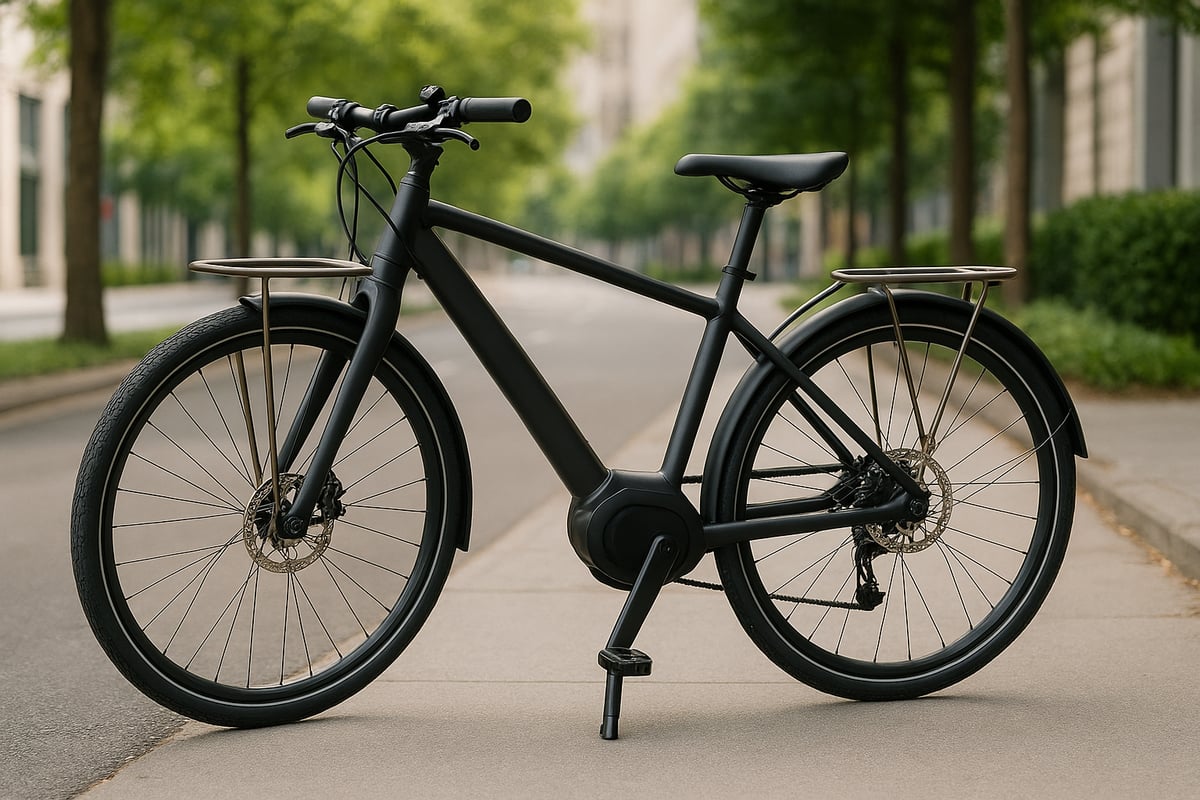
Support for bike has evolved from simple metal kickstands to sophisticated integrated systems. In the early days, most bicycles relied on basic supports—often heavy and prone to rust. Over time, the demand for lighter, more reliable options led to the introduction of aluminum and alloy kickstands, and later, carbon and titanium variants.
Today, riders benefit from smart supports that offer electronic stability, anti-theft sensors, and even app integration. E-bikes and the surge in urban mobility have driven the need for adaptable and robust bike supports. For instance, a traditional single-leg kickstand might struggle with the added weight of an e-bike, while a double-leg or frame-integrated support can ensure better balance.
The contrast between traditional and modern support for bike is striking:
| Feature | Traditional Support | Modern Support |
|---|---|---|
| Material | Steel, aluminum | Carbon, titanium, polymers |
| Functionality | Basic holding | Smart sensors, adjustable |
| Weight | Heavier | Lightweight |
| Eco-Friendliness | Low | High (recycled materials) |
As cycling technology advances, the options for support for bike are only growing smarter and more sustainable.
Types of Bike Support Available
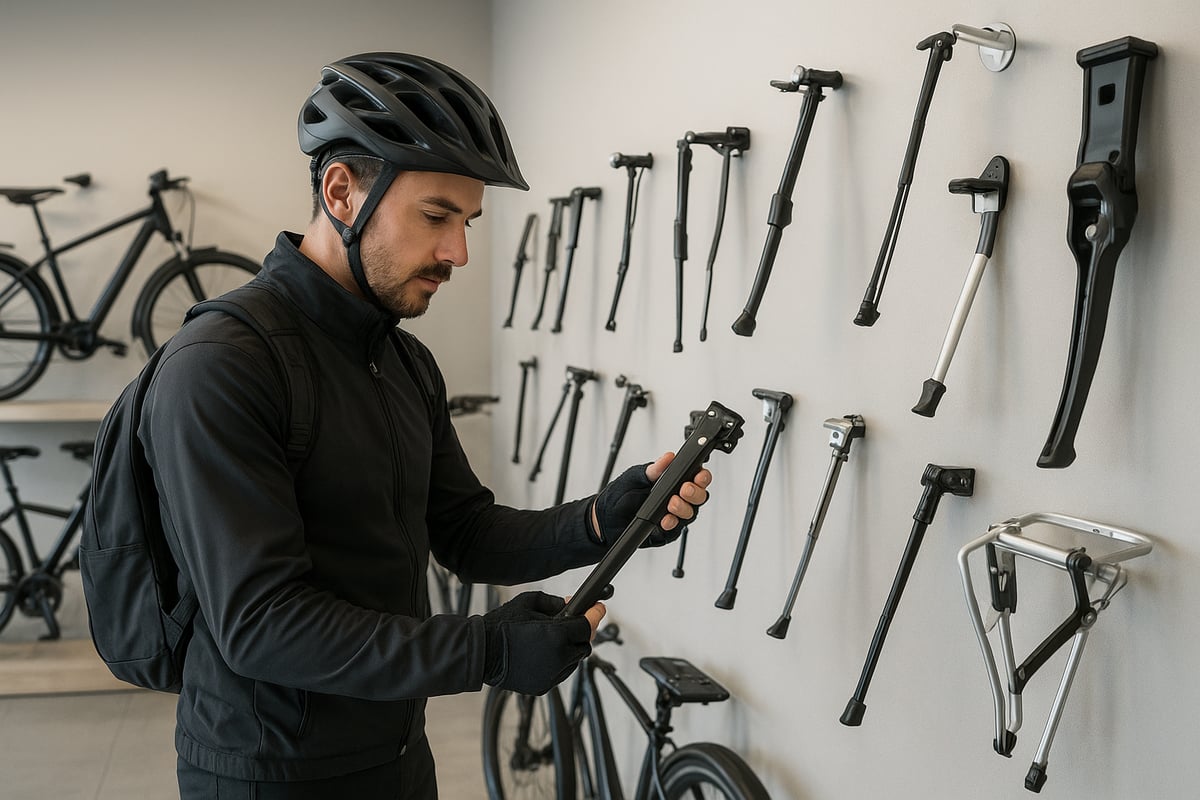
There is a wide spectrum of support for bike in the market, each tailored to specific riding needs and bike models. The most familiar is the kickstand, which now comes in several forms:
- Single-leg: Lightweight, ideal for road bikes.
- Double-leg: Greater stability, perfect for touring or e-bikes.
- Adjustable: Customizable length for various terrains.
Beyond kickstands, racks and mounts play a critical role. Rear and front racks allow cyclists to carry gear efficiently, while frame-mounted options offer additional support. Suspension systems and ergonomic supports, such as shock-absorbing seat posts, further enhance ride comfort.
The newest addition is integrated electronic support. Smart stands equipped with sensors can alert riders if their bike is tampered with or at risk of toppling. According to Statista 2024, the market for innovative bike support products is projected to grow by 15 percent this year, reflecting increased demand for advanced solutions.
With so many choices, selecting the right support for bike requires careful consideration of both function and compatibility.
Why Support Matters: Safety, Convenience, and Performance
Choosing the right support for bike is not just about convenience—it directly impacts safety and performance. Inadequate or poorly fitted supports can lead to falls, especially when parked on uneven ground or carrying heavy loads. Proper support can also reduce fatigue on long rides by ensuring stability and comfort.
Reliable supports enable riders to carry accessories and gear securely, making commutes and tours smoother. According to the National Highway Traffic Safety Administration, a significant percentage of bike-related accidents are linked to insufficient or faulty supports. For a more detailed look at accident statistics and safety guidelines, see the Bicycle Safety Overview.
Ultimately, investing in quality support for bike means fewer worries about unexpected mishaps, better protection for your gear, and a more enjoyable ride every time.
Choosing the Right Support for Your Bike
Selecting the right support for bike is a crucial step for every cyclist in 2025. The right choice means improved safety, better performance, and more enjoyable rides. With advanced materials, modular designs, and growing sustainability trends, making an informed choice is more important than ever.
Assessing Your Riding Needs
Start by identifying your primary cycling activities. Are you commuting daily, tackling long-distance tours, navigating rugged trails, or training for races? Each scenario demands a distinct approach to support for bike.
Commuters need durable, stable options that can handle stop-and-go city riding. Tourers often require supports compatible with panniers or heavy loads. Off-road cyclists prioritize lightweight, shock-absorbing solutions, while racers look for minimal weight and aerodynamic efficiency.
Consider your bike type—road, mountain, hybrid, or e-bike—since each interacts differently with various supports. For example, e-bikes often require reinforced mounts. Factor in weight, size, and maximum load capacity. It’s wise to anticipate your gear needs, especially if you plan to add baskets or child seats.
If you’re unsure how terrain influences your choice, review guides like the best cycling routes for beginners to see how different environments impact support requirements. Matching your support for bike to your riding style lays the foundation for comfort and reliability.
Key Features to Look For in 2025
Modern innovation is transforming support for bike systems. In 2025, leading features include advanced materials such as carbon fiber, titanium, and reinforced polymers. These offer high strength-to-weight ratios, ensuring durability without adding bulk.
Look for adjustability and modularity. Supports that expand or contract allow you to adapt to changing needs, like switching from solo rides to carrying groceries. Weather resistance is vital—seek corrosion-resistant finishes and sealed components to withstand rain or snow.
Compatibility is another key factor. Make sure your support for bike works seamlessly with accessories like panniers, baskets, or tech gadgets. Many riders appreciate modular systems that let them add or remove features as needed.
For real-world insight, consider a commuter who upgraded to an adjustable, weatherproof support. The result was improved stability, less fatigue, and the flexibility to carry extra gear when required.
Comparing Top Brands and Models
When choosing support for bike, it pays to research top manufacturers and their latest offerings. Brands in 2025 compete on weight, price, ease of installation, and innovative features.
Below is a comparison table of leading models:
| Brand | Weight (g) | Price ($) | Installation | User Rating (2025) |
|---|---|---|---|---|
| BikeSecure | 320 | 49 | Easy | 4.7/5 |
| UrbanMount | 410 | 65 | Moderate | 4.5/5 |
| EcoStand Pro | 300 | 72 | Easy | 4.8/5 |
| FlexiRack | 350 | 55 | Easy | 4.6/5 |
User reviews consistently highlight ease of use and durability as top factors for satisfaction. According to Bicycle Retailer 2024, consumer satisfaction rates are highest for supports balancing lightweight construction with robust performance.
Take time to compare features and read expert ratings. This will help you select the support for bike that best aligns with your needs.
Sustainability and Eco-Friendly Options
Sustainability is a growing priority in the cycling world. Many supports now incorporate recycled materials, reducing environmental impact without sacrificing performance. Look for products with certifications like FSC or Green Seal, which guarantee responsible sourcing and manufacturing practices.
Popular eco-friendly models, such as those made from recycled aluminum or plant-based composites, are gaining traction. These supports often match or exceed the durability of traditional options, while contributing to a greener planet.
Before purchasing, verify the support for bike is certified and read reviews on long-term performance. This approach ensures you make an environmentally conscious choice that lasts.
Installation and Maintenance: Step-by-Step Guide
Installing and maintaining the right support for bike is essential for both safety and performance. Whether you’re upgrading your setup or starting from scratch, following a clear process ensures your equipment works reliably throughout every ride.
Preparing for Installation
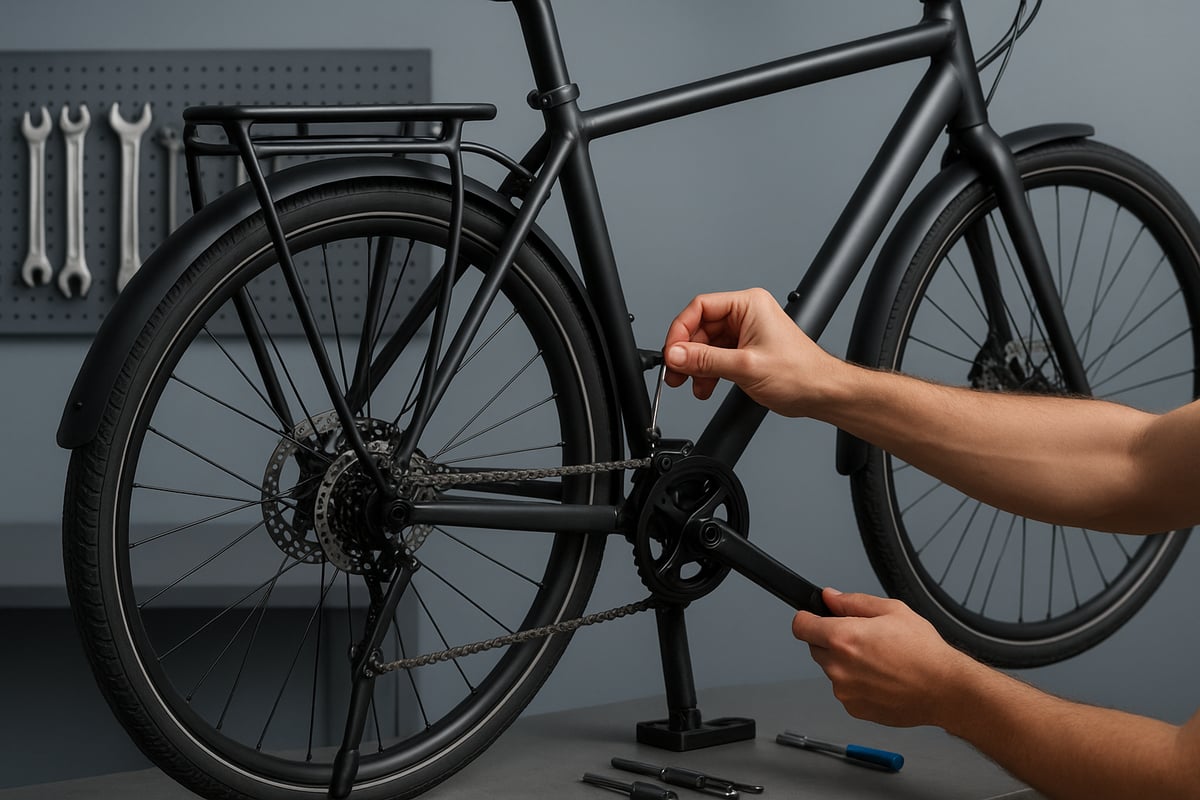
Before installing any support for bike, gather the necessary tools. Most jobs require an adjustable wrench, screwdrivers, Allen keys, and sometimes a torque wrench for proper tightening. Lay out your tools in advance to avoid interruptions.
Next, perform a safety check on your bike. Inspect the frame for cracks or damage, and ensure attachment points are clean and free of debris. Confirm that any existing hardware is in good condition and compatible with your new support for bike.
Common mistakes to avoid include overtightening bolts, which can strip threads, and misaligning mounts, which may cause instability. Always follow manufacturer guidelines for your specific support, and double-check fit before securing everything in place.
Step-by-Step Installation Process
Start by reading the instructions provided with your support for bike. For kickstands, position the stand at the recommended frame point, typically near the bottom bracket. Secure using the correct bolts, tightening evenly to prevent shifting.
When installing racks or mounts, align the brackets with pre-drilled holes on the bike frame. Attach using the provided hardware, ensuring the rack sits level and clear of moving parts. Use spacers if needed for a snug fit. For adjustable supports, test different lengths or angles to suit your riding style and load requirements.
After installation, verify that the support for bike does not interfere with pedals, wheels, or shifting mechanisms. Test stability by gently rocking the bike on its stand or rack. If possible, consult a photo guide or video walkthrough for extra confidence during the process.
Maintenance Best Practices
Maintaining your support for bike is key to long-term safety and performance. Conduct routine inspections—at least monthly—checking for loose bolts, corrosion, or wear. Tighten fasteners as needed, and replace any damaged parts immediately.
Clean your support for bike with mild soap and water, avoiding harsh chemicals that can weaken materials. Lubricate moving joints, especially on adjustable stands or mounts, to prevent squeaking and ensure smooth operation. Keep an eye on the average lifespan of your support, which can range from three to seven years depending on type and use (Cycling Weekly 2024).
If you’re unsure about proper maintenance or want to learn more about the safety impact of well-installed supports, review Bicycle Safety References for expert insights and authoritative guidelines. Regular care not only extends the life of your support for bike but also reduces the risk of equipment failure during crucial moments.
Troubleshooting and Solving Common Bike Support Issues
Every rider eventually encounters challenges with their support for bike. Addressing these problems promptly can prevent bigger issues and ensure your riding experience remains smooth and safe. Let us walk through the most common concerns, practical solutions, and how to avoid future headaches.
Identifying Common Problems
The first step in troubleshooting support for bike is recognizing the typical issues that can arise. Riders may notice their bike wobbling when parked, or experience difficulty folding or adjusting their support system. Sometimes, new bike models present compatibility challenges with older stands or mounts.
Common problems include:
- Wobbling or unstable bike when stationary
- Stiff or jammed folding mechanisms
- Supports that are too short or too long for the frame
- Mounting brackets that do not match newer bike geometries
These challenges can affect both safety and convenience, so it is important to spot them early. Regular checks help you catch issues before they escalate.
Solutions and Quick Fixes
When it comes to fixing support for bike problems, many solutions are straightforward. Start by tightening all bolts and fasteners, as loose connections are a frequent cause of instability. If your support feels misaligned, carefully realign it and test for improved stability.
Sometimes, a part replacement is necessary, such as swapping out a worn rubber foot or upgrading a bracket for a better fit. DIY fixes are suitable for minor issues, but persistent problems may require professional service.
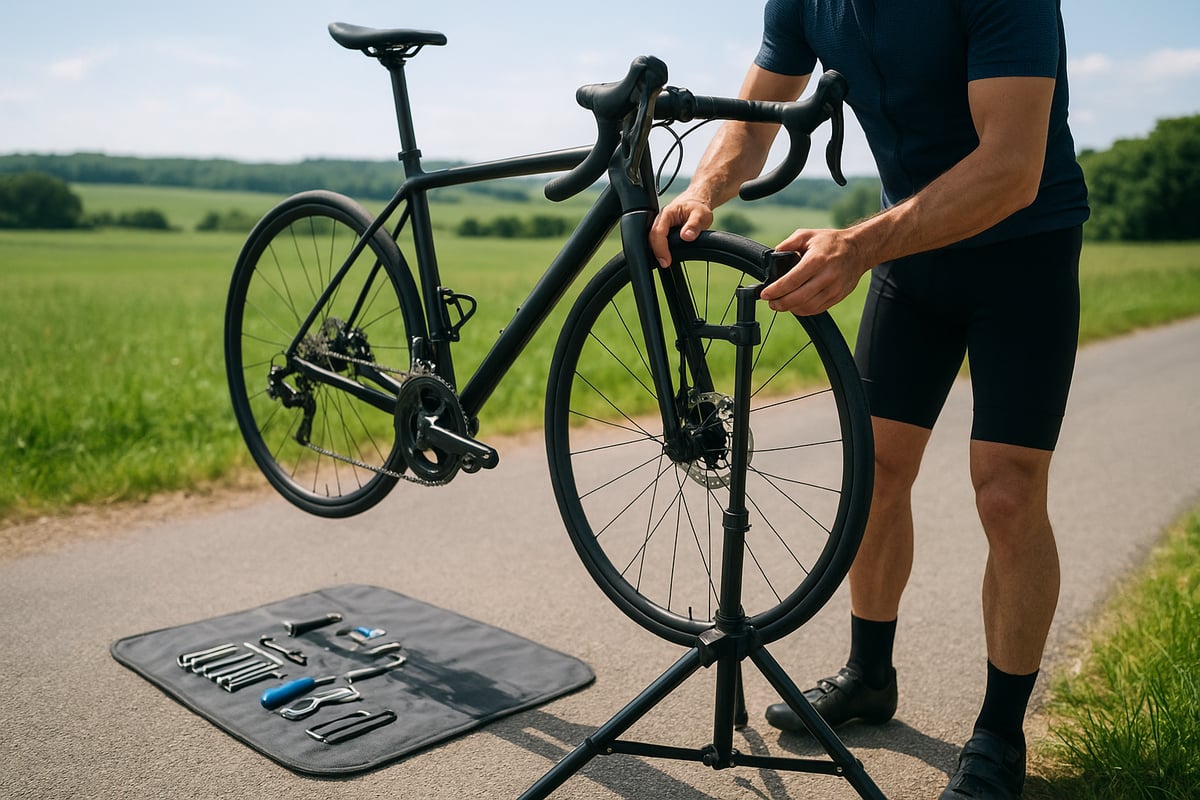
For example, a touring cyclist might notice their kickstand bending during a long journey. By stopping to adjust the angle and securing the mounting bolts, the support for bike can be restored enough to finish the trip safely. Always carry a small toolkit for these on-the-go repairs.
Preventative Measures
Preventing issues with support for bike is often easier than dealing with breakdowns during a ride. Establishing a regular maintenance routine—including cleaning, lubricating moving parts, and checking for wear—extends the lifespan of your gear.
Upgrading to more robust or modern systems can also reduce the chances of failure. According to Cycling Industry News 2023, riders who follow preventative care routines see a marked reduction in support failures. Additionally, staying informed about safety standards and best practices is crucial. For further guidance, you can consult Bicycle Safety Initiatives to ensure your support for bike meets current recommendations.
By combining regular checks, timely repairs, and awareness of safety initiatives, you can keep your support for bike reliable and ready for every adventure.
Expert Tips and Recommendations for 2025
Staying ahead in cycling means knowing which innovations, customizations, and standards will define your ride in 2025. Here are expert-backed recommendations to help you maximize your support for bike, ensuring every journey is safe, efficient, and future-ready.
Innovations to Watch
The landscape of support for bike is rapidly evolving, with new features and technologies emerging each year. Riders in 2025 can expect:
- Smart supports: Integrated IoT connectivity allows real-time monitoring and adjustment.
- Lightweight, foldable designs: Ideal for city riders seeking convenience without sacrificing durability.
- Advanced materials: Carbon fiber and reinforced polymers boost strength while reducing weight.
- Security integration: Some support for bike options now sync with anti-theft systems for added peace of mind.
These advancements not only improve the stability and function of your ride but also help you adapt to changing urban environments and riding styles. As terrain and technology shift, choosing innovative support for bike ensures your setup remains both relevant and reliable.
Customization and Personalization
Personalizing your support for bike can significantly enhance your comfort and performance. Whether you commute daily or tackle long-distance tours, customizing supports allows you to meet unique needs. Consider:
- Modular systems: Adapt easily between cargo, child seats, or tech accessories.
- Ergonomic upgrades: Tailor height, angle, and grip for your body and riding style.
- Accessory compatibility: Ensure your support for bike integrates with panniers, lights, or GPS units.
Real-world rider stories, such as those found in the Tuscany bike route blog insights, highlight how thoughtful customization leads to smoother, safer rides. Drawing inspiration from others’ experiences can guide you to smarter choices for your own setup.
Safety and Legal Considerations
When selecting support for bike, always prioritize safety and compliance. Different regions may have regulations governing permissible modifications or required certifications. Look for:
- Certified products: Seek supports bearing safety marks such as ISO or CPSC.
- Local requirements: Some cities mandate specific types of supports for public road use.
- Impact data: Studies show that bikes equipped with certified supports experience a measurable drop in accident rates.
By staying informed about legal standards, you not only protect yourself but also ensure your support for bike is built to last and perform under demanding conditions.
Future Trends in Bike Support
Looking ahead, support for bike will continue to be shaped by sustainability, urban mobility, and rider-centric innovation. Experts predict:
- Increased use of recycled materials in both frames and supports.
- Greater integration with digital ride planning and security tools.
- Ongoing collaboration between manufacturers and cycling communities to refine products.
Industry leaders emphasize that the future of support for bike lies in balancing ecological responsibility with technological advancement, creating solutions that serve both riders and the planet.
Resources and Further Reading
Looking for reliable resources to maximize your support for bike in 2025? The cycling landscape is evolving, and staying informed is essential. Here you will find curated guides, tutorials, communities, and authoritative sources to help you make the most of every ride.
Buyer’s Guides and Product Reviews
Start your journey by consulting up-to-date buyer’s guides and product reviews focused on support for bike. These resources help you compare the latest models, materials, and smart features available in 2025. Websites like Cycling Weekly and Bicycle Retailer publish annual guides that detail the pros and cons of different support systems.
Planning a cycling adventure? The importance of reliable support for bike becomes even more evident when reading Self-guided bike tour planning, which covers how proper support contributes to a safe, stress-free touring experience. These guides ensure you select the right equipment for your needs.
Installation and Maintenance Tutorials
Proper installation and maintenance are key to maximizing the lifespan and safety of your support for bike. Look for step-by-step video tutorials on platforms like YouTube, as well as illustrated articles from reputable cycling sites. Many manufacturers now offer digital manuals and troubleshooting tools specific to their 2025 product lines.
Routine checks and timely adjustments prevent common issues. Maintenance guides from cycling associations provide clear instructions for cleaning, lubricating, and replacing worn parts. Keeping these resources handy ensures your ride remains smooth and secure.
Forums and Peer Communities
Engaging with online forums and cycling communities is invaluable for support for bike questions. Platforms such as Reddit’s r/cycling and BikeForums.net feature active discussions, troubleshooting threads, and product recommendations from experienced riders. Community wisdom often highlights real-world solutions and quick fixes.
If you ride on mixed or challenging terrain, understanding the best support for bike is crucial. For example, Tuscany gravel cycling explained breaks down how surface conditions impact your choice of support and setup. Learning from others’ experiences saves time and helps you avoid common mistakes.
Authoritative Reports and Further Reading
For in-depth analysis, consult annual reports from cycling safety organizations and industry groups. These documents offer statistics, trend forecasts, and expert recommendations for support for bike systems. Many reports are accessible through cycling associations or safety-focused websites.
Additionally, product databases list certified models that meet the latest standards for 2025. Staying informed through these trusted sources empowers you to make well-founded decisions and keep your bike in top condition.
As you explore the evolving world of bike support in 2025, it’s clear that the right guidance can make every ride safer, smoother, and more enjoyable—whether you’re discovering new routes or perfecting your daily commute. If you’re ready to put this knowledge into action and experience the beauty of Tuscany on two wheels, let us help you find your perfect cycling adventure. With over 20 years of expertise and a deep passion for local discovery, we’re here to support every rider’s journey.
Discover Our Routes
